Best Child Fracture Treatment in Indore (बच्चों में हड्डी टूटना)
Pediatric Fractures – Bone Injuries in Children
बच्चे की हड्डियाँ अलग होती हैं – सही तरीके से, सही समय पर इलाज बहुत जरूरी
Children’s bones are different – timely, child-specific fracture care is essential
बच्चों की हड्डी के फ्रैक्चर – वयस्क से कैसे अलग?
How Are Pediatric Fractures Different from Adults?
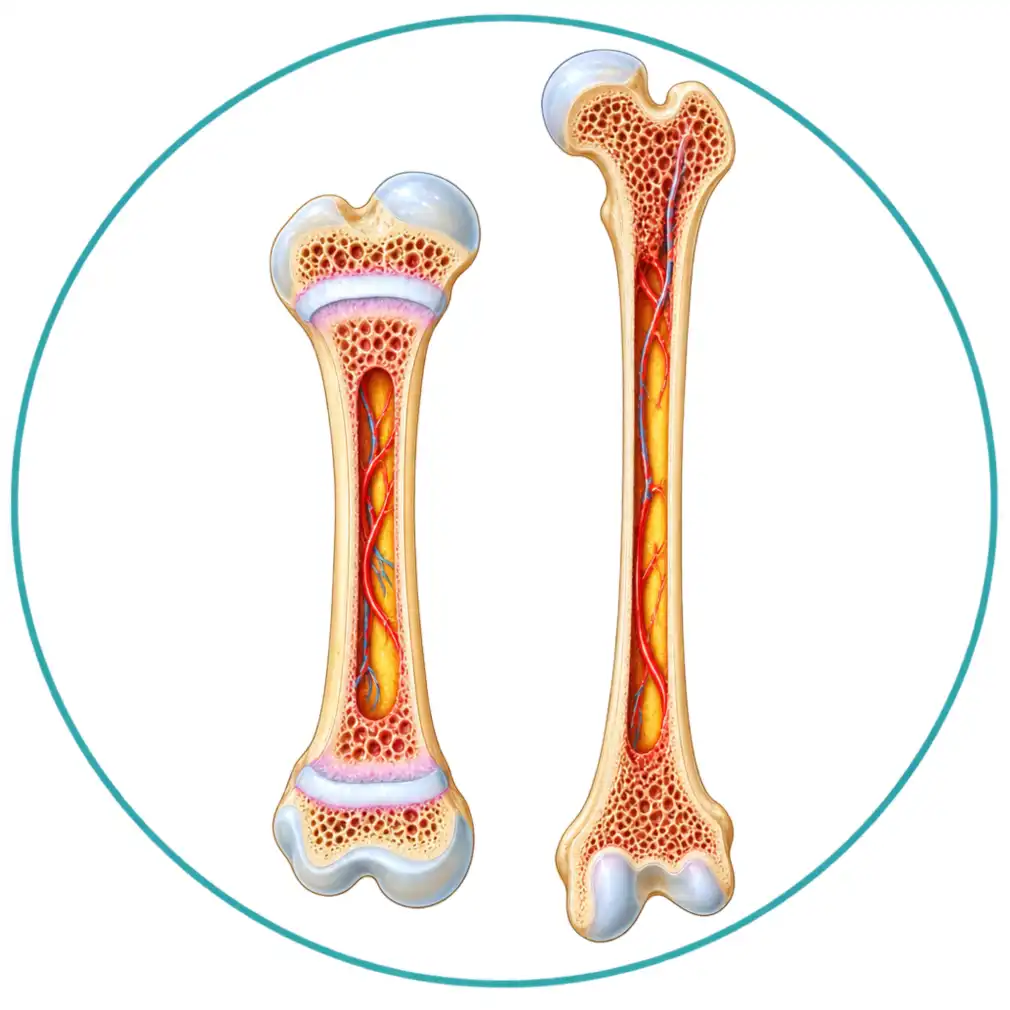
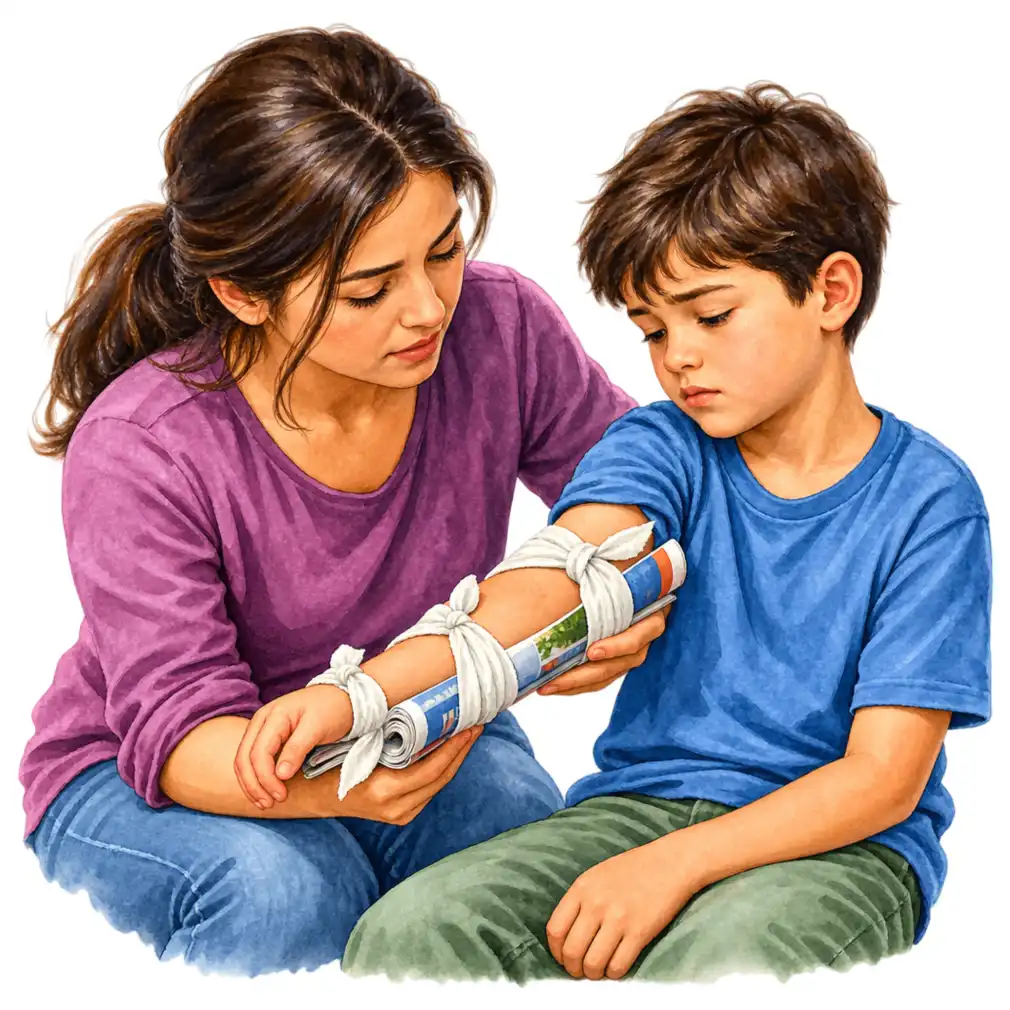
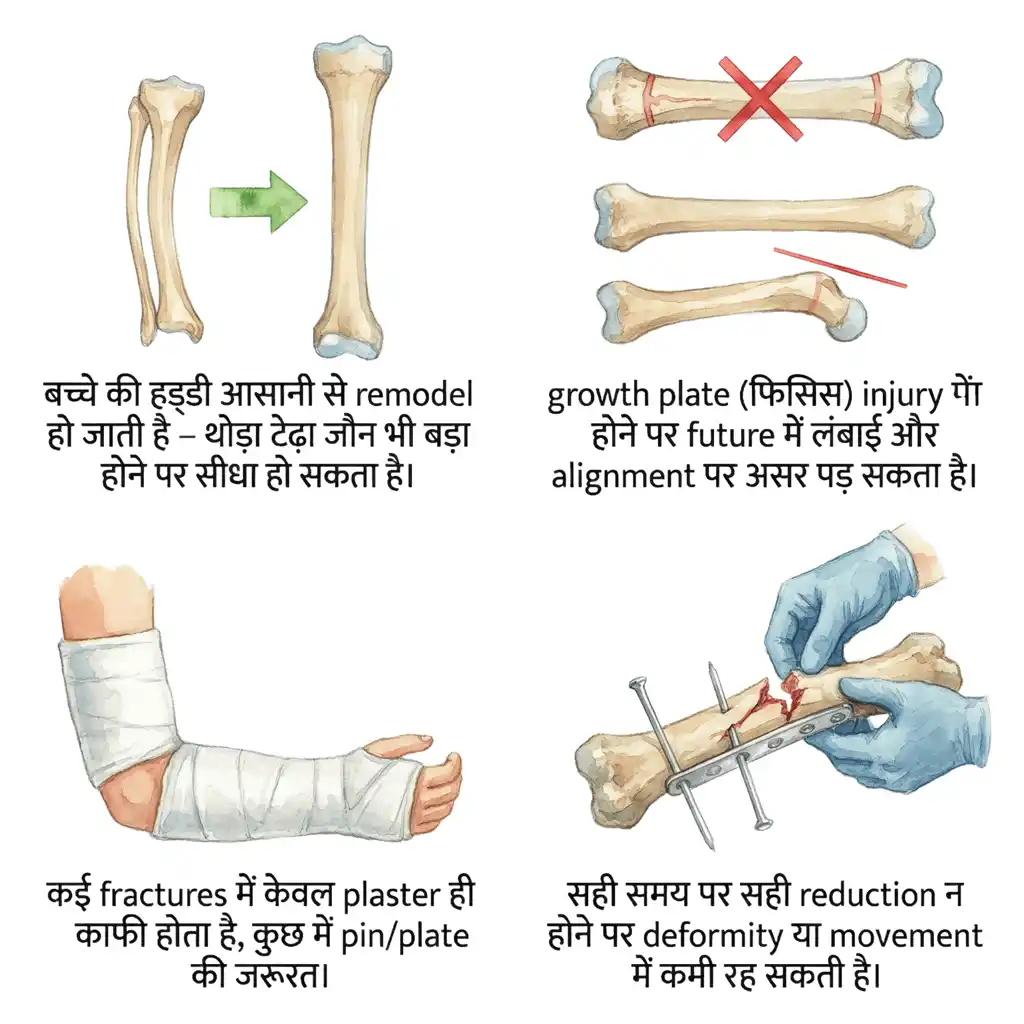
बच्चे की हड्डी ज़्यादा लचीली, आसपास की झिल्ली (periosteum) मोटी और ग्रोथ प्लेट (growth plate) सक्रिय होती है। इसी वजह से fracture की pattern, treatment और healing, वयस्कों से अलग होती है – इसी के अनुसार योजना बनाना जरूरी है।
मुख्य अंतर
• बच्चे की हड्डी आसानी से remodel हो जाती है – थोड़ा टेढ़ा जौन भी बड़ा होने पर सीधा हो सकता है।
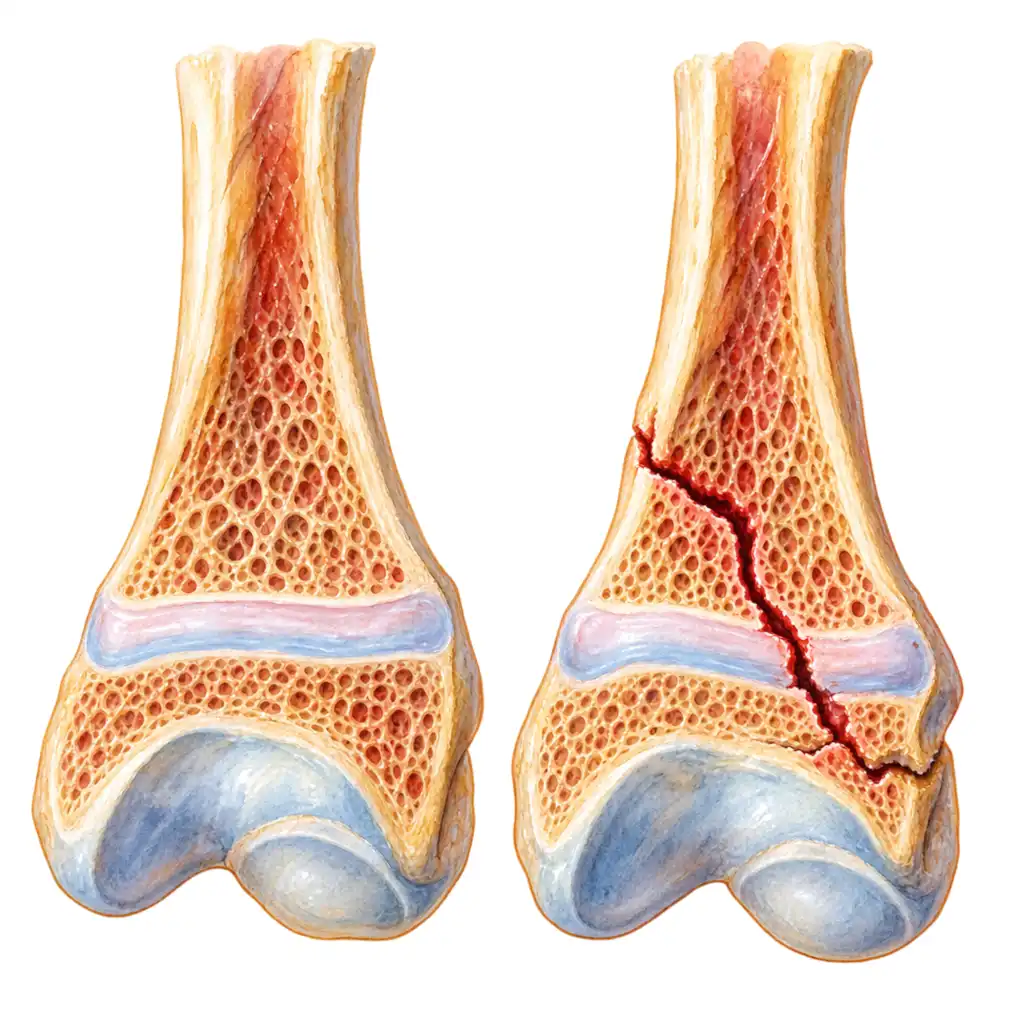
• growth plate (फिसिस) injury होने पर future में लंबाई और alignment पर असर पड़ सकता है — कभी-कभी plate पर हड्डी का पुल बन जाता है, देखें physeal bar (growth plate arrest)।
• कई fractures में केवल plaster ही काफी होता है, कुछ में pin/plate की जरूरत।
• सही समय पर सही reduction न होने पर deformity या movement में कमी रह सकती है।
कब फ्रैक्चर का संदेह करें?
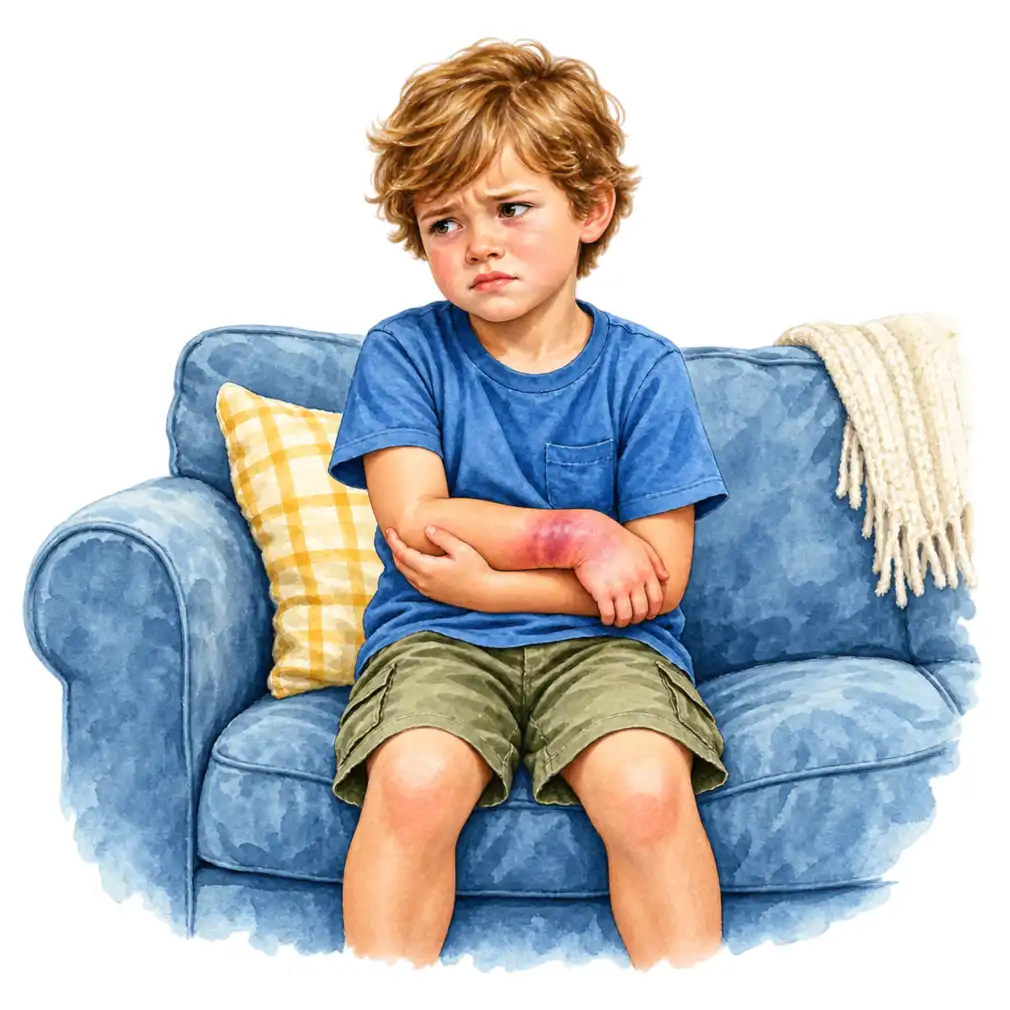
• गिरने / चोट के बाद बच्चा हाथ/पैर चलाने से मना करे।
• सूजन, अचानक deformity या bruise दिखे।
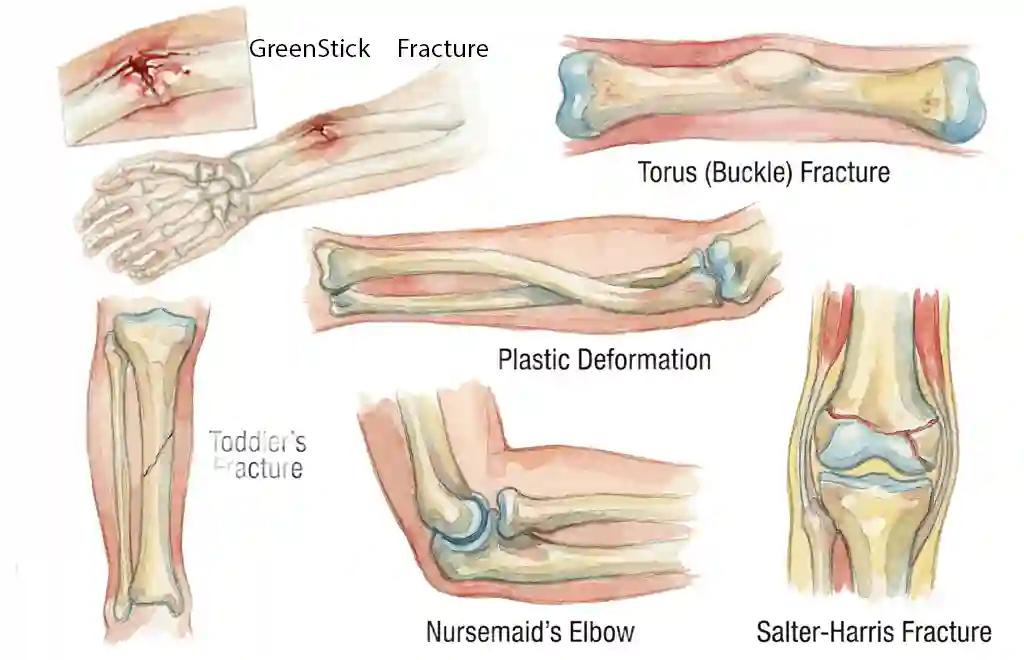
• joint के पास बहुत tenderness, बच्चा उस arm/leg का उपयोग बंद कर दे (toddler fracture आदि)।
• कोई भी doubt हो तो “sprain होगा” मानकर टालने के बजाय X-ray और evaluation ज़रूरी है।
त्वरित तथ्य
Children’s bones are softer, more elastic and surrounded by a thick periosteum, with active growth plates. This makes fracture types, treatment choices and healing patterns quite different from adults.
Key Differences
• Excellent remodelling capacity – some angulation can correct with growth.
• Growth plate injuries can affect future length and alignment.
• Many fractures can be treated safely with plaster alone; some need pins/plates.
• Poorly treated fractures may lead to deformity or restricted movement.
When to suspect a fracture?
• After fall/injury, child refuses to use the limb.
• Visible swelling, deformity or bruising.
• Tenderness near joints; toddler suddenly refuses to walk or limps.
• Do not assume “just a sprain” – timely X-ray and assessment are important.
Quick Facts
बच्चों में आम प्रकार के फ्रैक्चर
Common Types of Pediatric Fractures
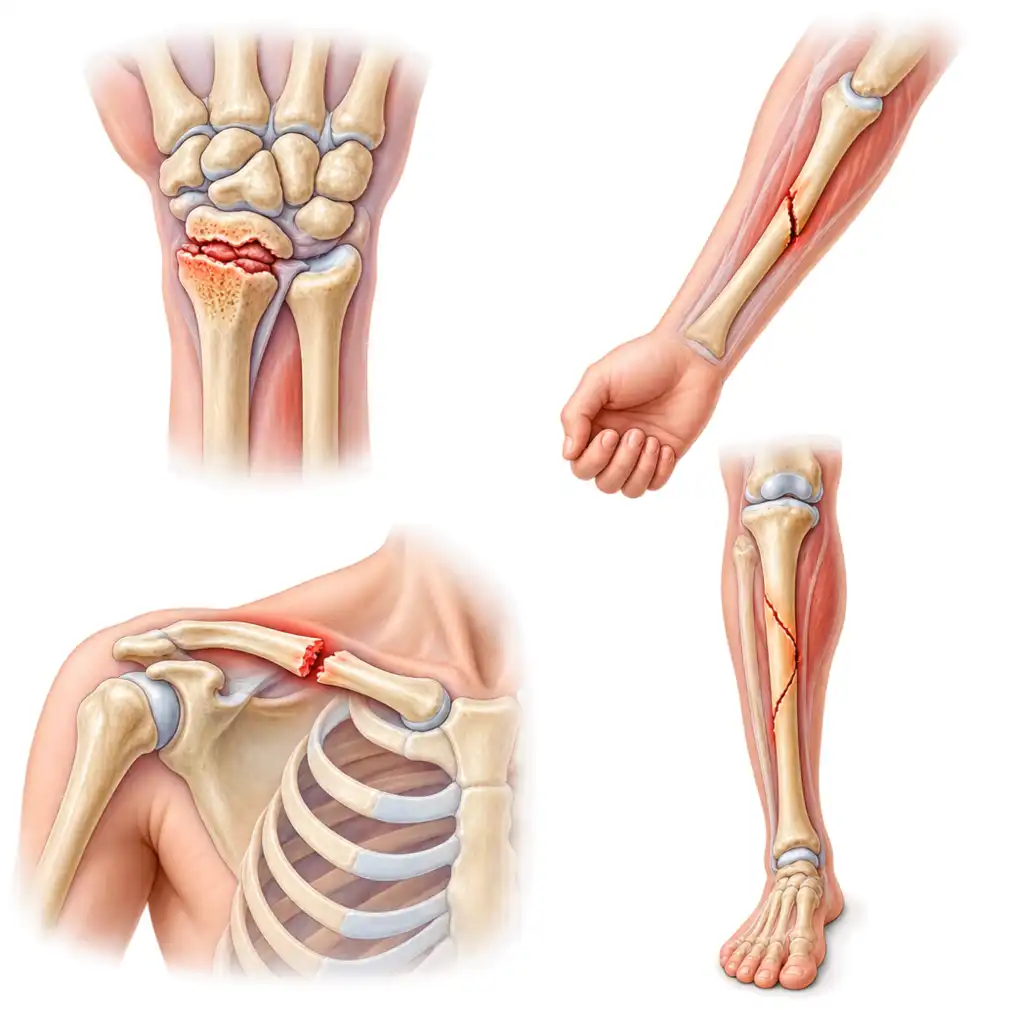
ऊपरी हाथ और कलाई के फ्रैक्चर
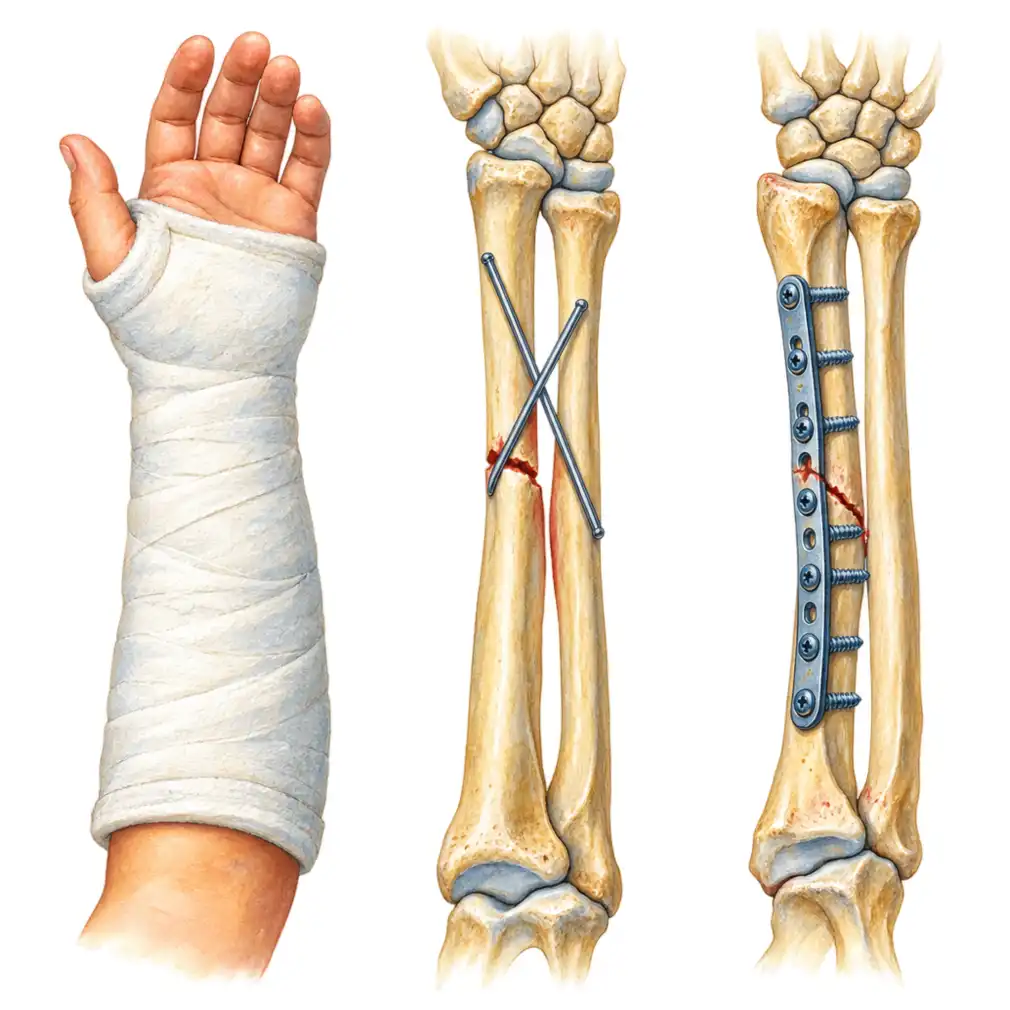
1. Distal Radius / दोनों हड्डियों के फ्रैक्चर
• गिरकर हाथ के बल लगने पर सबसे common fracture।
• कई बार सिर्फ greenstick या buckle (torus) fracture होता है – stable pattern।
• plaster से बढ़िया इलाज, severe angulation में manipulation + casting या pinning।
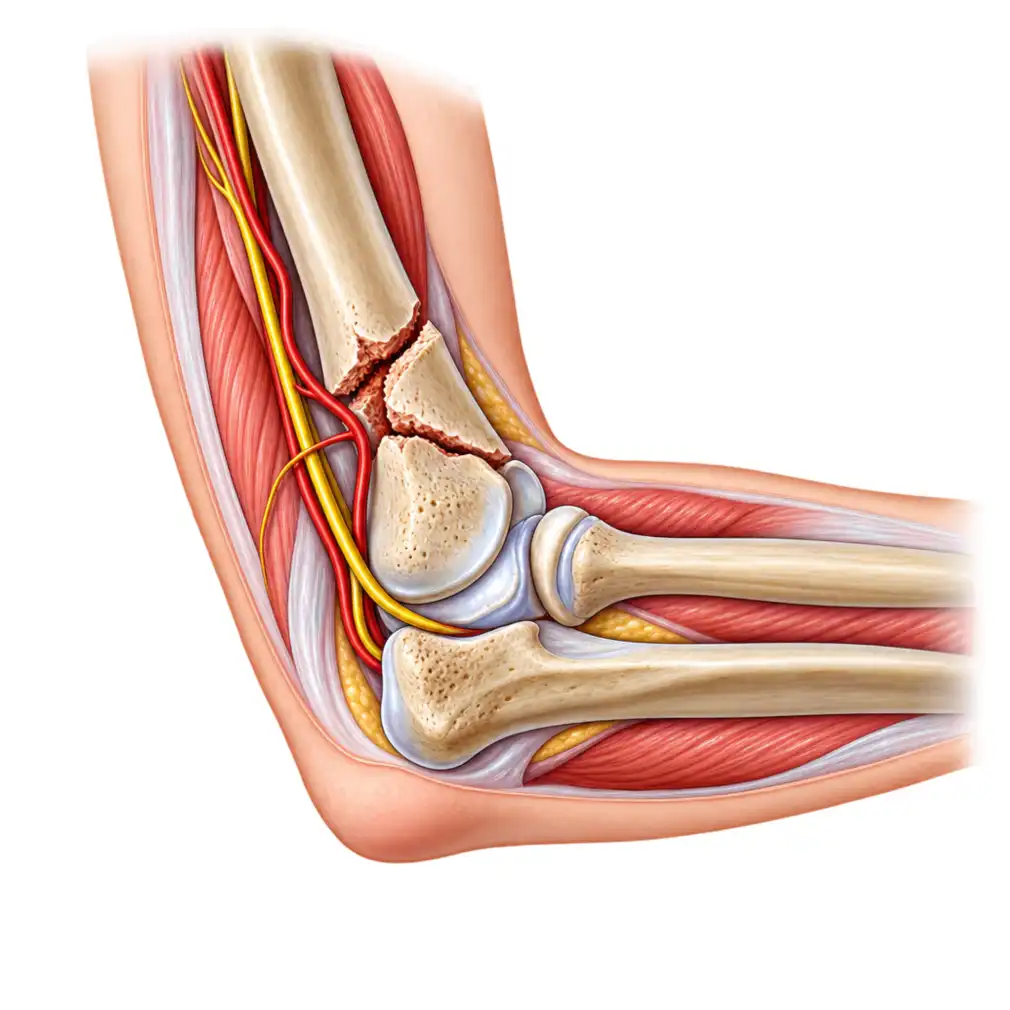
2. Supracondylar Humerus Fracture (कोहनी के ऊपर)
• बच्चों में elbow के पास सबसे महत्वपूर्ण fracture – nerve और vessel injury का risk।
• अक्सर surgery (closed reduction + percutaneous pinning) की जरूरत।
• देरी या गलत treatment से stiffness, deformity या जटिलता हो सकती है।
3. Lateral Condyle / Medial Epicondyle etc.
• elbow के भीतर joint surface से जुड़े fracture – growth plate और cartilage शामिल।
• ऐसे fracture में सटीक alignment बेहद जरूरी – अक्सर surgery से fixation।
नीचे के पैर और अन्य फ्रैक्चर
4. Tibia / Fibula (Leg Bone) Fracture
• road traffic injury, गिरने या sports से।
• छोटे बच्चों में toddler fracture subtle हो सकता है – X-ray initial में normal दिख सकता है, clinical suspicion ज़रूरी।
• plaster, functional brace या intramedullary fixation स्थिति अनुसार।
5. Clavicle, Humerus Shaft, Femur etc.
• clavicle fracture बहुत common और अक्सर sling से heal।
• femur fracture में age के अनुसार traction, spica cast, flexible nails या plating की planning।
• polytrauma या head injury के साथ होने पर ICU level care की जरूरत हो सकती है।
Growth Plate (Physeal) Injuries
• Salter-Harris classification के अनुसार grading।
• गलत treatment या missed injury से future में limb length discrepancy या deformity हो सकती है।
• इसलिए joint के पास fracture को हमेशा special ध्यान से evaluate करना चाहिए।
Upper Limb & Wrist Fractures
1. Distal Radius / Forearm Fractures
• Very common after fall on outstretched hand.
• Buckle/torus and greenstick fractures are typical in children.
• Managed with casting; displaced cases may need manipulation and K-wire fixation.
2. Supracondylar Humerus Fracture
• Most important pediatric elbow fracture; risk of nerve/artery injury.
• Often requires closed reduction and percutaneous pinning.
• Delay or improper treatment can cause deformity or stiffness.
3. Lateral Condyle & Other Elbow Fractures
• Involve joint surface and growth plate.
• Need precise alignment; frequently treated surgically to avoid long-term deformity.
Leg & Other Fractures
4. Tibia / Fibula Fractures
• Seen after falls, sports or road traffic injuries.
• Toddler fractures may be subtle; high clinical suspicion needed.
• Treated with casts, functional bracing or nails depending on age and pattern.
5. Clavicle, Humerus Shaft, Femur
• Clavicle fractures often treated non-operatively with sling.
• Femur fractures: traction, spica cast, flexible nails or plates based on age/weight and pattern.
• Polytrauma cases may need multidisciplinary and ICU care.
Growth Plate (Physeal) Injuries
• Classified using Salter–Harris system.
• Missed/poorly treated injuries may cause growth arrest and deformity.
• Any fracture near joint must be evaluated carefully for physeal involvement.