Best Developmental Coxa Vara Treatment in Indore (कूल्हे की गर्दन का झुकना)
Developmental Coxa Vara
बिना दर्द की लंगड़ाहट अक्सर पहला संकेत | इलाज दो X-ray कोणों से तय होता है | Indore
A painless limp is usually the first sign | Two X-ray angles decide the treatment | Indore
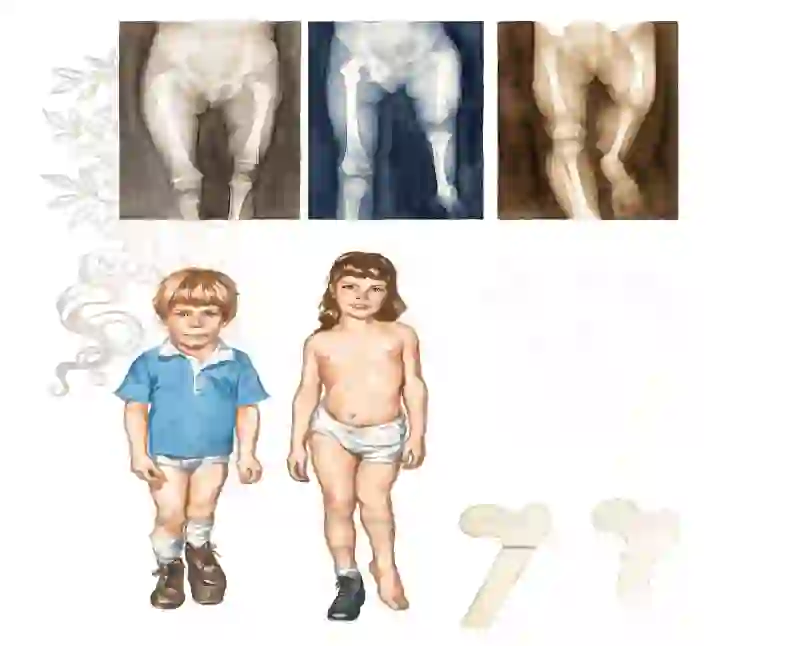
Coxa Vara क्या है?
What is Coxa Vara?
कूल्हे की हड्डी की गर्दन और शाफ़्ट के बीच का कोण (neck-shaft angle) सामान्यतः बच्चों में लगभग 135° होता है। जब यह कोण बहुत कम हो जाता है — 110–120° से नीचे — तो उसे coxa vara कहते हैं। गर्दन नीचे की ओर झुक जाती है, कूल्हा छोटा पड़ जाता है और चाल बदल जाती है।
The angle between the neck and the shaft of the femur is normally about 135 degrees in a child. When that angle drops well below normal — under about 110 to 120 degrees — the hip is said to be in coxa vara. The neck droops, the hip sits low, and the walk changes.
🎯 Developmental coxa vara🎯 Developmental coxa vara
इसमें जन्म के समय कूल्हा ठीक दिखता है, और चलना शुरू करने के बाद धीरे-धीरे गर्दन झुकने लगती है। कारण है गर्दन के अंदरूनी (medial) हिस्से की growth plate का ठीक से हड्डी न बनना। यह उन कई कारणों से अलग है जिनमें coxa vara किसी चोट, संक्रमण या हड्डी की जन्मजात बीमारी के बाद बनता है।In the developmental form the hip looks normal at birth and the neck gradually droops once the child starts walking, because the inner part of the growth plate fails to turn into solid bone. That is different from the coxa vara that follows an injury, an infection or an underlying bone disease.
- बिना दर्द के लंगड़ाना — अक्सर सबसे पहला और इकलौता संकेत
- बत्तख जैसी चाल (waddling), ख़ासकर दोनों तरफ़ हो तो
- एक पैर छोटा दिखना
- पैर को बगल में फैलाने में कमी (abduction कम होना)
- Trendelenburg चाल — चलते समय कूल्हा एक तरफ़ झुक जाना
- थकान, लंबा चलने पर कूल्हे या जांघ में हल्की तकलीफ़
- A painless limp — usually the first and often the only sign
- A waddling gait, especially when both hips are involved
- One leg looking shorter than the other
- Reduced ability to take the leg out sideways (loss of abduction)
- A Trendelenburg gait — the pelvis dipping with each step
- Tiring easily, with vague hip or thigh ache after long walks
क्यों होता है
Why it Happens
Growth plate का ठीक से हड्डी न बननाThe growth plate fails to ossify
गर्दन के अंदरूनी हिस्से की cartilage समय पर मज़बूत हड्डी में नहीं बदलती — यही सबसे आम कारण है।Cartilage on the inner side of the neck does not convert into solid bone on time — the commonest reason of all.
अव्यवस्थित chondrocytesDisorganised cartilage cells
Growth plate की कोशिकाएँ क़तार में नहीं लगतीं, जिससे वहाँ की हड्डी कमज़ोर और मुड़ने लायक़ रह जाती है।The cells of the growth plate lose their orderly columns, leaving bone that is soft enough to bend.
देर से ossificationDelayed ossification
हड्डी बनने की प्रक्रिया धीमी रहती है, और तब तक शरीर का वज़न गर्दन को नीचे की ओर झुकाता रहता है।Ossification lags behind, and body weight keeps bending the neck downwards while it does.
साथ चलने वाली स्थितियाँAssociated conditions
Skeletal dysplasia, cleidocranial dysplasia, osteogenesis imperfecta और fibrous dysplasia में coxa vara साथ मिल सकता है।Coxa vara can accompany skeletal dysplasias, cleidocranial dysplasia, osteogenesis imperfecta and fibrous dysplasia.
चोट या संक्रमण के बादAfter injury or infection
कूल्हे की growth plate को नुक़सान पहुँचाने वाली चोट या septic arthritis के बाद भी गर्दन झुक सकती है।Damage to the growth plate from a fracture or septic arthritis can leave the same drooping neck.
जन्मजात (congenital) रूपThe congenital form
जन्म से मौजूद, अक्सर जांघ की हड्डी की कमी (PFFD) जैसी स्थितियों के साथ — इसका इलाज अलग रास्ते पर चलता है।Present from birth and often part of a wider femoral deficiency, which takes a different treatment path.
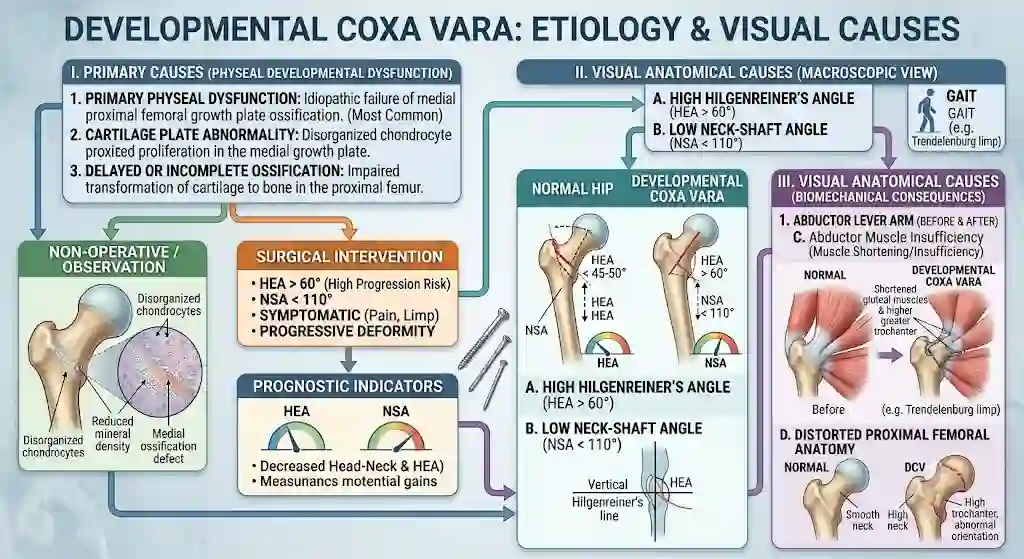
दो नाप जिन पर सब कुछ टिका है
The Two Measurements That Decide Everything
Coxa vara में इलाज का फ़ैसला भावना से नहीं, X-ray पर लिए गए दो कोणों से होता है। हर follow-up पर यही दोबारा नापे जाते हैं, ताकि पता चले कि स्थिति स्थिर है या बिगड़ रही है।
In coxa vara the decision to operate is not a matter of impression — it rests on two angles measured on the X-ray, remeasured at every visit to show whether the hip is holding or drifting.
HEA — Hilgenreiner Epiphyseal AngleHEA - Hilgenreiner epiphyseal angle
Growth plate का झुकाव नापता है। 45–50° से कम = सुरक्षित; 60° से ज़्यादा = बिगड़ने का बड़ा ख़तरा, और यही operation का सबसे मज़बूत संकेत है।Measures the tilt of the growth plate. Under 45-50 degrees is safe; over 60 degrees carries a high risk of progression and is the strongest single indication for surgery.
NSA — Neck-Shaft AngleNSA - neck-shaft angle
गर्दन और शाफ़्ट के बीच का कोण। सामान्य लगभग 135°; 110° से नीचे जाने पर abductor muscles कमज़ोर पड़ जाते हैं और लंगड़ाहट बढ़ती है।The angle between neck and shaft. Normally about 135 degrees; below 110 the abductor muscles lose their leverage and the limp deepens.
⚠️ यह अपने आप ठीक क्यों नहीं होता⚠️ Why it does not correct itself
गर्दन जितनी झुकती है, वज़न उतना ही ग़लत दिशा में पड़ता है — और झुकाव और बढ़ता है। यही दुष्चक्र है, और इसीलिए बिगड़ते हुए coxa vara में इंतज़ार करने का कोई फ़ायदा नहीं होता।The more the neck droops, the more badly the weight falls across it — and the more it droops. That vicious cycle is why waiting on a progressing coxa vara gains nothing.
इलाज — निगरानी या operation
Treatment - Watching or Operating
निगरानी (observation)Observation
HEA 45–50° से कम, कोई लक्षण नहीं, स्थिति स्थिर — तो हर 6–12 महीने में X-ray और जाँच। कुछ हल्के मामले अपने आप सुधर भी जाते हैं।HEA under 45-50 degrees, no symptoms and nothing changing: an examination and X-ray every 6 to 12 months. Some mild hips even improve on their own.
Valgus osteotomyValgus osteotomy
मुख्य operation। जांघ की हड्डी को काटकर गर्दन का कोण ऊपर उठाया जाता है, ताकि growth plate सीधी पड़े और abductor muscles को ताक़त मिले।The main operation. The femur is cut and the neck angle lifted, so the growth plate lies flat again and the abductors regain their leverage.
Lesser trochanter / abductor की सर्जरीTrochanteric transfer
ऊँचा उठ चुके greater trochanter को नीचे लाकर abductor muscles की लंबाई ठीक की जाती है — इससे Trendelenburg लंगड़ाहट कम होती है।Bringing down the high-riding greater trochanter restores abductor length and takes the Trendelenburg dip out of the walk.
Fixation और plasterFixation and cast
Osteotomy को plate और screws से स्थिर किया जाता है; छोटे बच्चों में साथ में hip spica plaster भी लगाया जा सकता है।The osteotomy is held with a plate and screws, sometimes with a hip spica cast in younger children.
🎯 Operation कब ज़रूरी है🎯 When surgery is advised
HEA 60° से ज़्यादा · NSA 110° से कम · दर्द या साफ़ लंगड़ाहट · लगातार बिगड़ता कोण — इनमें से कोई भी हो तो operation की सलाह दी जाती है। सही समय पर किया गया osteotomy बच्चे की चाल बदल देता है।HEA above 60 degrees · NSA below 110 · pain or a definite limp · an angle that keeps worsening — any one of these argues for surgery. A well-timed osteotomy changes how a child walks.
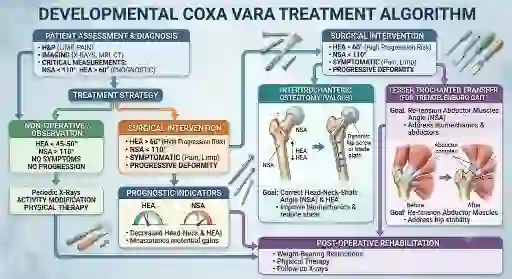
Operation के बाद
After Surgery
अस्पताल
Osteotomy plate-screw से स्थिर की जाती है। दर्द नियंत्रण और, छोटे बच्चों में, hip spica plaster।
बिना वज़न के
हड्डी जुड़ने तक पैर पर वज़न नहीं। इस दौरान school lift/wheelchair के सहारे संभव है।
चलना शुरू
X-ray पर हड्डी जुड़ने के बाद धीरे-धीरे वज़न, फिर crutches छोड़ना। Physiotherapy से abductor muscles मज़बूत किए जाते हैं।
चाल का सुधार
लंगड़ाहट धीरे-धीरे कम होती है — muscles को नई लंबाई के हिसाब से ढलने में समय लगता है।
Growth तक निगरानी
बढ़ती उम्र के साथ कोण दोबारा बिगड़ सकता है, इसलिए growth पूरी होने तक साल में एक बार X-ray।
In hospital
The osteotomy is fixed with a plate and screws. Pain control, and a hip spica cast in the younger children.
Off the leg
No weight through the leg while the cut heals. School is usually manageable with a wheelchair.
Walking again
Once the X-ray shows union, weight returns gradually and the crutches go. Physiotherapy rebuilds the abductors.
The gait settles
The limp fades over months rather than weeks, as the muscles adapt to their new working length.
Watch until growth ends
The angle can drift again as the child grows, so a yearly X-ray continues until growth is complete.
भ्रम बनाम सच्चाई
Myths vs Facts
"बच्चा बड़ा होगा तो चाल अपने आप ठीक हो जाएगी।"
हल्के मामले सुधर सकते हैं, पर HEA 60° से ऊपर हो तो अपने आप ठीक होने की उम्मीद नहीं — बल्कि बिगड़ने की आशंका ज़्यादा है।
"लंगड़ाहट है पर दर्द नहीं, तो कुछ गंभीर नहीं होगा।"
Coxa vara की सबसे बड़ी ख़ासियत ही यही है कि यह दर्द नहीं देता। बिना दर्द वाली लंगड़ाहट की जाँच हमेशा ज़रूरी है।
"Calcium और विटामिन से कोण ठीक हो जाएगा।"
Vitamin D की कमी हो तो उसका इलाज ज़रूरी है, पर जो कोण बिगड़ चुका है उसे दवा से सीधा नहीं किया जा सकता।
"Operation के बाद पैर की लंबाई पूरी बराबर हो जाएगी।"
Osteotomy का मक़सद कोण और चाल सुधारना है। लंबाई का थोड़ा फ़र्क़ रह सकता है, जिसे बाद में अलग से देखा जाता है।
"He will grow out of the walk."
Mild hips can improve, but with an HEA above 60 degrees improvement is not what happens — progression is.
"There is a limp but no pain, so it cannot be serious."
Painlessness is the hallmark of coxa vara, not a reassurance. A painless limp always deserves an X-ray.
"Calcium and vitamins will straighten the angle."
A vitamin D deficiency must be treated on its own merits, but no supplement straightens an angle that has already bent.
"Surgery will make the legs exactly equal."
The osteotomy is aimed at the angle and the gait. A small length difference can remain, and is dealt with separately if it matters.
Indore में जाँच — क्या साथ लाएँ
Getting Checked in Indore - What to Bring
Coxa vara में सही समय पर लिया गया फ़ैसला बच्चे की चाल और कूल्हे का भविष्य तय करता है। Dr. Gaurav Jain (MBBS, D.Ortho, DNB Orthopaedics, MNAMS; बच्चों की हड्डी रोग और स्पाइन सर्जरी में फेलोशिप) Indore में बच्चों के कूल्हे की विकृतियों का इलाज करते हैं — valgus osteotomy, trochanteric transfer और limb length correction सहित।
In coxa vara the timing of the decision shapes how a child walks for the rest of their life. Dr. Gaurav Jain (MBBS, D.Ortho, DNB Orthopaedics, MNAMS; fellowship-trained in pediatric orthopedics and spine surgery) treats paediatric hip deformity in Indore, including valgus osteotomy, trochanteric transfer and limb length correction.
- कूल्हों की सारी पुरानी X-ray — तारीख़ के हिसाब से; कोण की तुलना ही सबसे ज़्यादा बताती है
- कब से लंगड़ा रहा है और क्या यह बढ़ रहा है
- चलते हुए का video — सामने और पीछे दोनों से
- क़द और वज़न का रिकॉर्ड, और परिवार में किसी को हड्डी की बीमारी हो तो उसकी जानकारी
- पहले हुई कोई surgery या संक्रमण के काग़ज़
- Every previous hip X-ray, in date order — comparing the angles tells us the most
- How long the limp has been there, and whether it is getting worse
- A video of the walk, from in front and from behind
- Height and weight records, and any family history of bone disease
- Notes from any previous surgery or hip infection
अक्सर पूछे जाने वाले सवाल
Frequently Asked Questions
Coxa vara क्या है? / What is coxa vara?
कूल्हे की गर्दन और शाफ़्ट के बीच का कोण सामान्य से बहुत कम हो जाना। Developmental रूप में जन्म पर कूल्हा ठीक रहता है और चलना शुरू करने के बाद गर्दन धीरे-धीरे झुकती है, क्योंकि गर्दन के अंदरूनी हिस्से की growth plate ठीक से हड्डी नहीं बनाती।
Coxa vara means the angle between the neck and shaft of the femur has fallen well below normal. In the developmental form the hip is normal at birth and the neck droops after walking age, because the inner part of the neck's growth plate fails to ossify properly.
बिना दर्द की लंगड़ाहट चिंता की बात है? / Should a painless limp worry us?
हाँ। बच्चों में बिना दर्द की लंगड़ाहट को कभी नज़रअंदाज़ नहीं करना चाहिए — coxa vara, DDH और Perthes जैसी कई स्थितियाँ इसी तरह शुरू होती हैं। एक साधारण X-ray से बहुत कुछ साफ़ हो जाता है।
Yes. A painless limp in a child should never be dismissed — coxa vara, DDH and Perthes all begin exactly like that. A single X-ray settles most of it.
HEA और NSA का क्या मतलब है? / What are HEA and NSA?
HEA (Hilgenreiner epiphyseal angle) growth plate का झुकाव नापता है और NSA (neck-shaft angle) गर्दन और शाफ़्ट के बीच का कोण। HEA 60° से ऊपर या NSA 110° से नीचे होना operation के पक्ष में मज़बूत तर्क है।
HEA is the tilt of the growth plate and NSA the angle between neck and shaft. An HEA above 60 degrees or an NSA below 110 is a strong argument for surgery.
क्या हर बच्चे को operation चाहिए? / Does every child need an operation?
नहीं। HEA 45–50° से कम और कोई लक्षण न हों तो सिर्फ़ निगरानी — हर 6–12 महीने में X-ray। कुछ हल्के मामले अपने आप सुधर जाते हैं।
No. With an HEA under 45 to 50 degrees and no symptoms, the hip is simply watched with X-rays every six to twelve months, and some mild cases improve on their own.
Valgus osteotomy क्या करती है? / What does a valgus osteotomy do?
जांघ की हड्डी को काटकर गर्दन का कोण ऊपर उठाया जाता है। इससे growth plate सीधी पड़ती है, वज़न सही दिशा में जाता है और abductor muscles को ताक़त मिलती है — यानी लंगड़ाहट कम होती है।
The femur is cut and the neck angle raised, so the growth plate lies flat, weight passes through it correctly, and the abductor muscles regain their leverage — which is what takes the limp away.
Trochanter transfer क्यों करते हैं? / Why move the trochanter?
Coxa vara में greater trochanter ऊपर उठ जाता है, जिससे abductor muscles छोटे पड़ जाते हैं और Trendelenburg लंगड़ाहट आती है। उसे नीचे लाकर muscles की लंबाई ठीक की जाती है।
In coxa vara the greater trochanter rides high, shortening the abductors and producing the Trendelenburg dip. Bringing it down restores their working length.
Operation के बाद कितने दिन बिना वज़न के? / How long before weight-bearing?
आमतौर पर 6 हफ़्ते तक पैर पर वज़न नहीं, और X-ray पर हड्डी जुड़ने के बाद धीरे-धीरे शुरू। छोटे बच्चों में hip spica plaster भी लगाया जा सकता है।
Usually about six weeks off the leg, with weight returning gradually once the X-ray shows union. Younger children may be in a hip spica cast for part of that.
क्या यह दोबारा हो सकता है? / Can it come back after surgery?
हाँ, ख़ासकर बहुत छोटे बच्चों में — growth के साथ कोण फिर बिगड़ सकता है और दूसरी surgery की ज़रूरत पड़ सकती है। इसीलिए growth पूरी होने तक follow-up चलता रहता है।
Yes, particularly in very young children — the angle can drift back with growth and a second operation is sometimes needed. That is why follow-up continues until growth is complete.
क्या पैर छोटा रह जाएगा? / Will the leg stay short?
थोड़ा फ़र्क़ रह सकता है। Osteotomy का मुख्य मक़सद कोण और चाल सुधारना है; लंबाई के फ़र्क़ को बाद में अलग से नापा और ज़रूरत पड़े तो ठीक किया जाता है।
A small difference can remain. The osteotomy is aimed at the angle and the gait; length is measured separately afterwards and corrected if it matters.
बच्चा खेल पाएगा? / Will my child be able to play sport?
हाँ। कोण ठीक हो जाने और हड्डी जुड़ जाने के बाद ज़्यादातर बच्चे सामान्य रूप से दौड़ते और खेलते हैं। भारी संपर्क वाले खेल डॉक्टर की सलाह से।
Yes. Once the angle is corrected and the bone has healed, most children run and play normally, with contact sport on your surgeon's advice.
क्या यह आनुवंशिक है? / Is it inherited?
अकेला developmental coxa vara आमतौर पर आनुवंशिक नहीं होता। लेकिन जब यह skeletal dysplasia जैसी किसी बड़ी स्थिति का हिस्सा हो, तब उस स्थिति के अपने आनुवंशिक पहलू हो सकते हैं — इसलिए दोनों तरफ़ या असामान्य क़द वाले बच्चों में आगे की जाँच की जाती है।
Isolated developmental coxa vara is generally not inherited. Where it forms part of a skeletal dysplasia, that underlying condition may be — which is why bilateral cases and unusually short children are investigated further.
किस डॉक्टर को दिखाएँ? / Which doctor should we see?
बच्चों की हड्डी रोग विशेषज्ञ (pediatric orthopedic surgeon), क्योंकि फ़ैसला बढ़ती हुई हड्डी और कोणों की तुलना पर टिका होता है। Indore में Dr. Gaurav Jain (MBBS, D.Ortho, DNB Orthopaedics, MNAMS) इसका इलाज करते हैं।
A pediatric orthopedic surgeon, because the decision rests on growing bone and on comparing angles over time. In Indore, Dr. Gaurav Jain (MBBS, D.Ortho, DNB Orthopaedics, MNAMS) treats this condition.
📞 बच्चा लंगड़ाकर चल रहा है? Dr. Gaurav Jain से जाँच करवाएँ
📞 Is your child limping? Get it checked by Dr. Gaurav Jain
Indore के Pediatric Orthopedic Surgeon | कूल्हे की विकृति, osteotomy और limb lengtheningPediatric Orthopedic Surgeon in Indore | Hip deformity, osteotomy and limb lengthening
📞 अभी Call करें 📞 Call Nowपुरानी X-ray ज़रूर लाएँ — कोण की तुलना ही बताती है कि स्थिति स्थिर है या बिगड़ रही है।Bring the older X-rays - comparing the angles is what shows whether the hip is holding or drifting.